Umbrella — Creating a Space for Adults Navigating Childhood Trauma
Role: Product Concept / UX Thinking / Design / Narrative
Scope: UX / App Concept / Information DesignThe Problem
Support for childhood trauma is often structured around two extremes:
resources designed for children
or formal therapy as the only pathway forward
For many adults, neither fully meets their needs.
There is a lack of spaces that allow people to:
explore support at their own pace
feel understood without needing to explain everything
access help without immediate commitment or exposure
Without this middle ground, support can feel inaccessible or overwhelming.
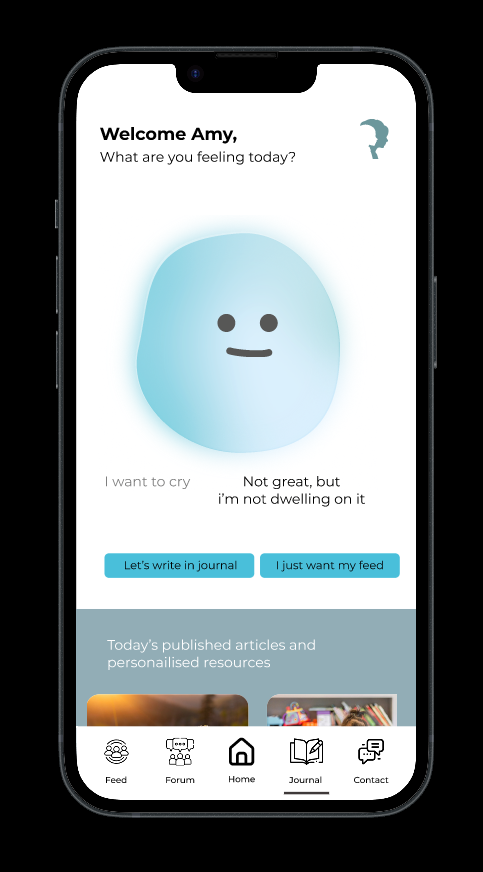
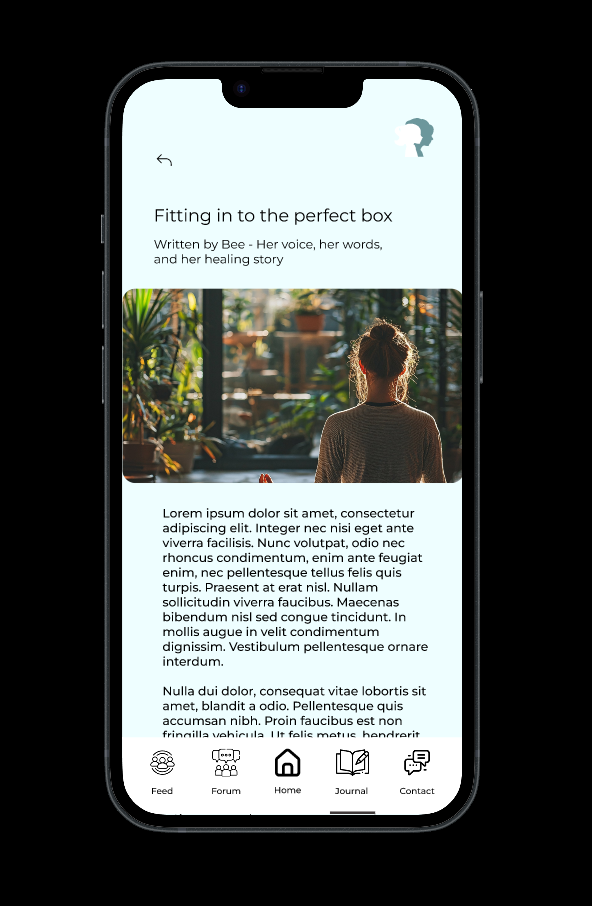
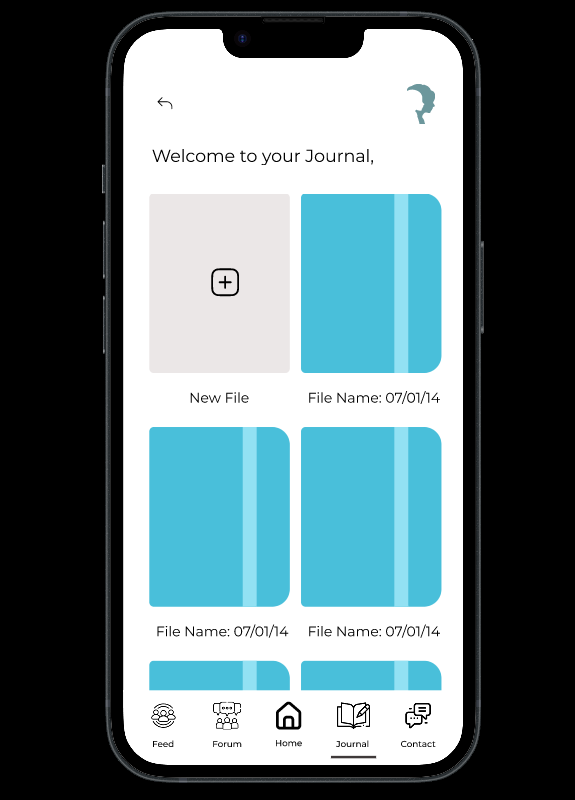
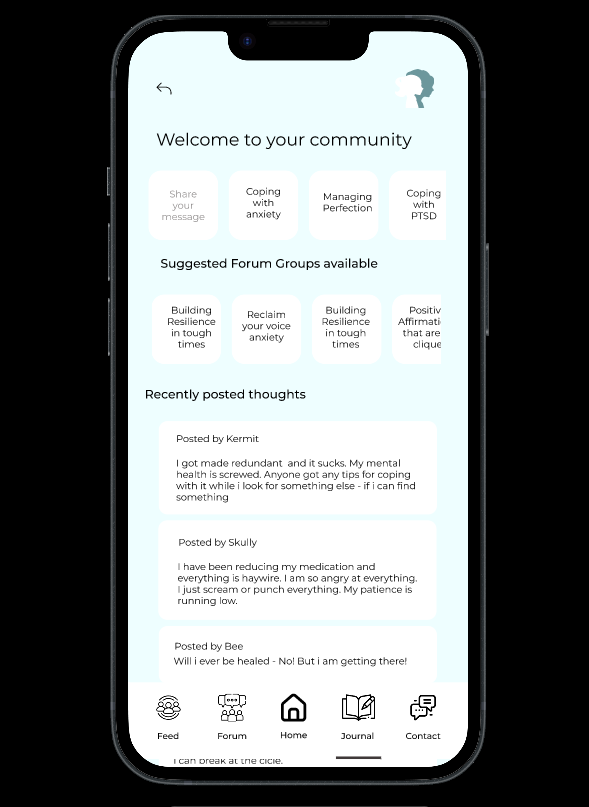
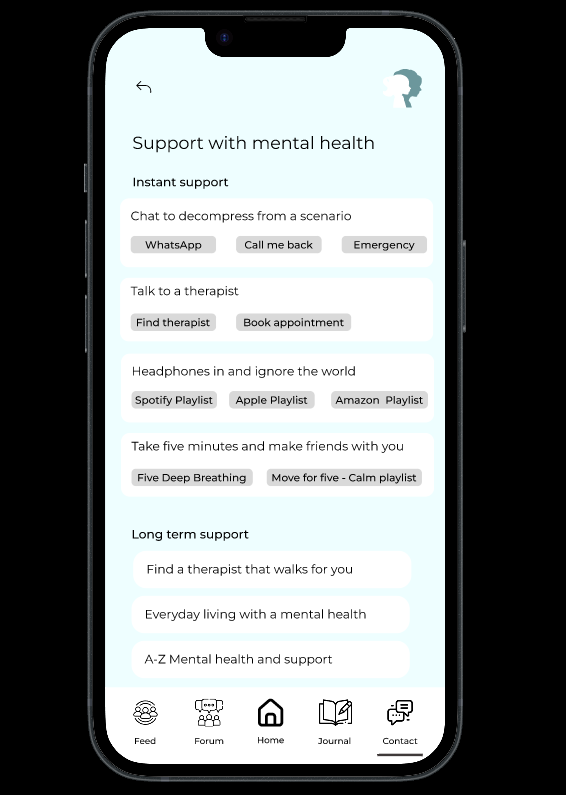
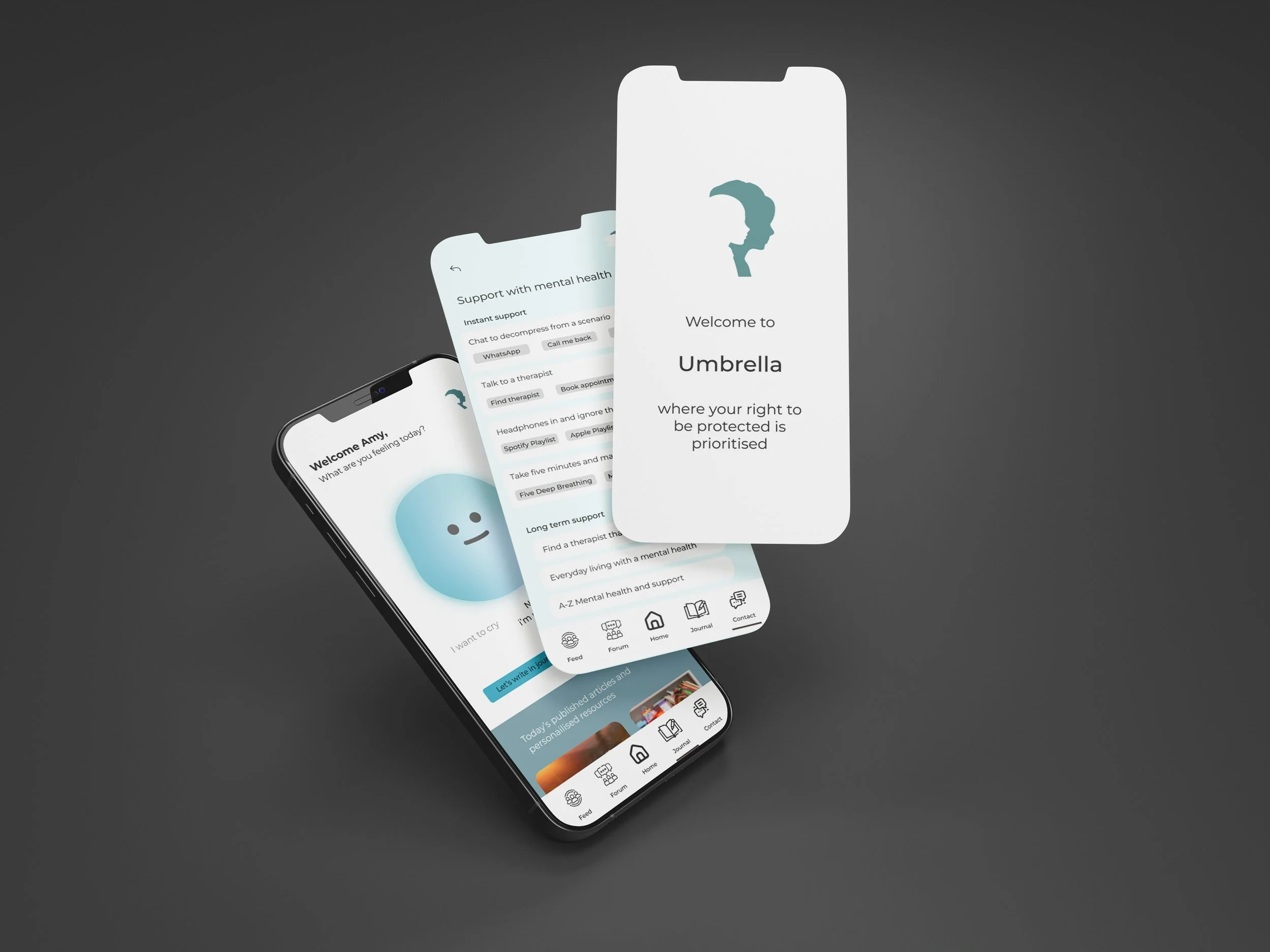
A working prototype of the proposed app has been created in Figma providing a visual and functional starting point for future development.

The insight
People navigating trauma don’t always need to be “fixed.”
They need space to:
understand themselves
feel less alone
access support in a way that feels safe and controlled
When support feels too formal or too distant, people disengage.
What’s missing isn’t just resources.
It’s a way to approach them without pressure.
The Approach
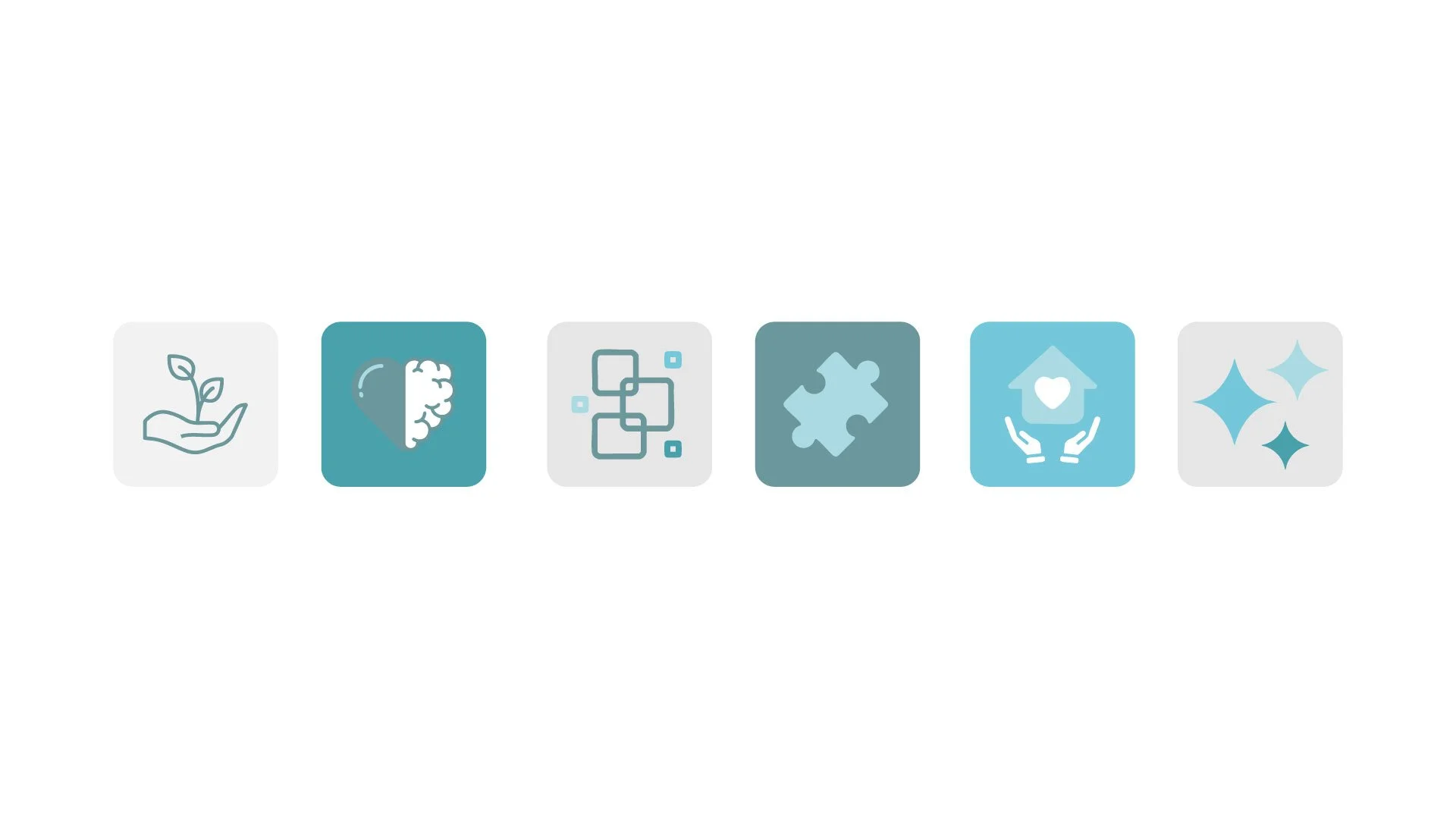
Umbrella was designed as a quiet, supportive environment that allows users to engage with content, tools, and community on their own terms.
The focus was on creating a space that doesn’t pressure users to “improve,” but instead allows them to exist, explore, and understand themselves at their own pace. The interface and overall experience were shaped to feel calm, private, and non-judgemental.
Support was made accessible without being overwhelming, offering discreet pathways to relevant resources and therapy options specific to childhood trauma, while avoiding the sense of commitment or exposure that can often act as a barrier.
Alongside this, gentle, self-directed tools were introduced to support reflection without rigid structure, and community elements were considered in a way that balances connection with privacy, allowing users to feel less alone without requiring visibility.